1
Comprehensive consultation
We review your medical history, treatment stage and current symptoms.

Cancer Support
Acupuncture is a complementary therapy, never an alternative to medical cancer care. Dr. Tsai offers gentle, supportive acupuncture for the side effects of chemotherapy, radiation and surgery, coordinated with your oncology team. He has practised in Hollywood, FL for 25 years and makes no claim to treat or cure cancer.
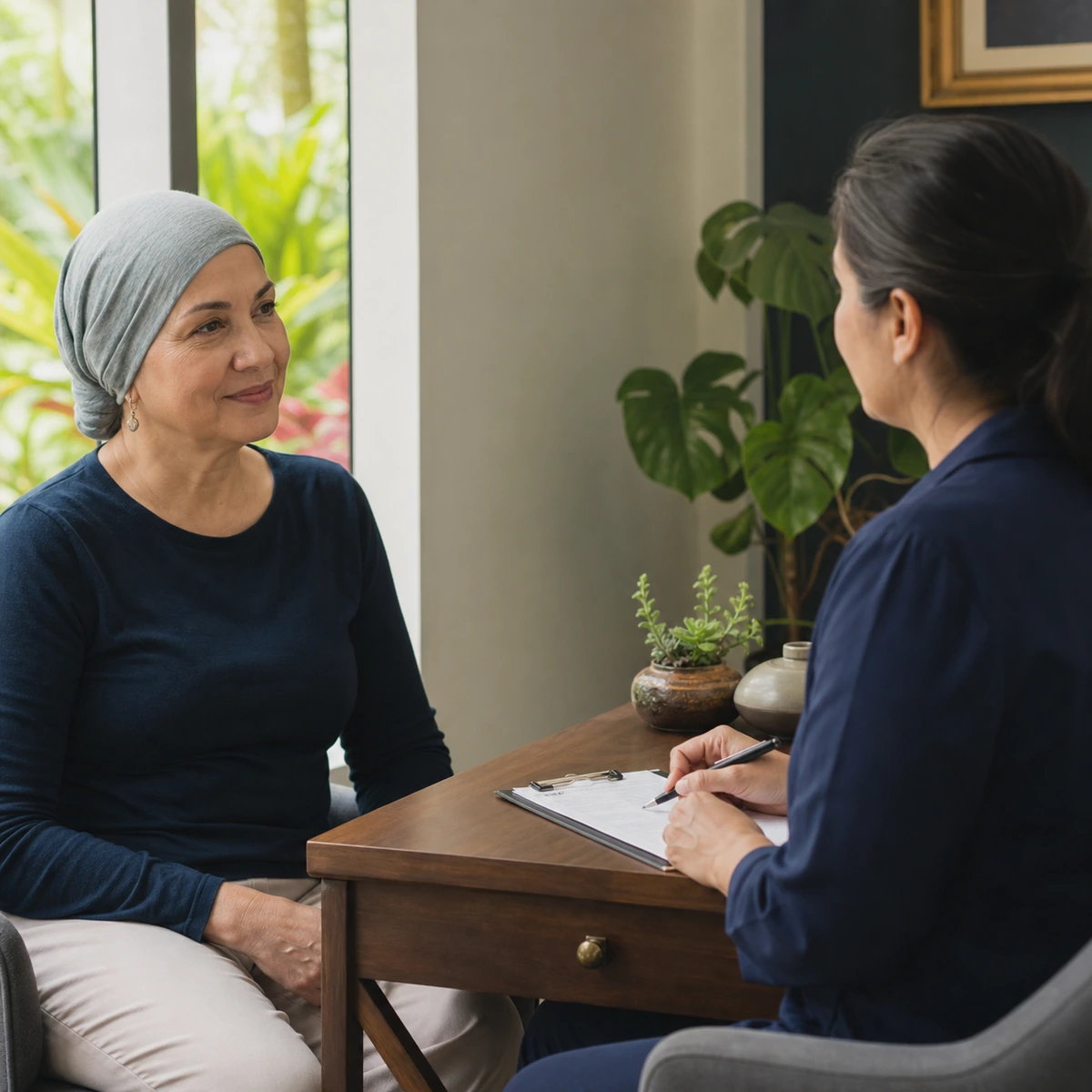
What it is
Supportive acupuncture eases the side effects of cancer treatment and supports quality of life before, during and after it. Six side effects are common: fatigue, nausea, neuropathy, sleep disturbance, appetite loss and emotional strain. Acupuncture addresses those, not the disease.
Dr. Tsai works within your oncology team's plan rather than around it. Acupuncture is never presented here as a treatment for cancer itself - it is supportive care for the person going through treatment, and every plan starts with a coordination check.
Our process
Supportive care runs in five steps: a comprehensive consultation, a coordination check with your oncology team, a personalized treatment plan, gentle sterile acupuncture and ongoing monitoring. The coordination check comes before any needle.
We review your medical history, treatment stage and current symptoms.
We confirm your oncology team is aware and comfortable with adding complementary acupuncture care.
Dr. Tsai selects gentle, targeted points based on your symptoms and treatment stage.
Ultra-fine sterile needles are applied for relaxation and symptom relief.
We measure how you respond and adjust the plan alongside your treatment schedule.
The boundary
This addresses treatment-related fatigue, nausea and appetite, neuropathy, sleep and emotional strain. It will never claim to treat cancer. Acupuncture is used here strictly as complementary care alongside your oncology team’s guidance.
Chemotherapy, radiation and surgery bring fatigue, nausea, neuropathy, sleep disturbance, hormonal changes and emotional distress. Those side effects are real, and they affect quality of life as much as the disease itself.
Acupuncture does not treat cancer. It is used here strictly as complementary, supportive care, helping the body and mind cope with the demands of conventional treatment, always alongside your oncology team's guidance.
Acupuncture is used only as a complement to your oncologist's treatment plan, never as a substitute for it.
How it can help
Patients notice easier days during treatment, more comfort with neuropathy, and steadier emotions. Acupuncture is used to ease the burden of treatment rather than to treat the cancer, always alongside your oncology team.
01
Patients use acupuncture to manage fatigue and nausea between chemotherapy or radiation sessions.
02
Gentle acupuncture is used alongside medical care to support comfort with treatment-related nerve symptoms.
03
A calm, supportive session eases the stress and emotional weight that come with cancer treatment.
In-network with most major plans








Don't see your plan? Call (954) 987-6988 — we will check it for you before you book.
Free consultation | Same-week appointments | Most insurance accepted